


Help Choosing Your New Flooring Is at Hand
To help you make the right choice, here are 10 essential factors to consider before purchasing.
1. Room Usage
Think about how you use the space where the new flooring will go. High-traffic areas like entryways or kitchens require durable materials like tile or luxury vinyl, while softer options like carpet can work best in bedrooms or living rooms where comfort is a priority. Your choice should align with the purpose and activity level of the room.
2. Moisture Levels
Consider water-resistant or waterproof options for moisture-prone areas, such as bathrooms, basements, or kitchens.
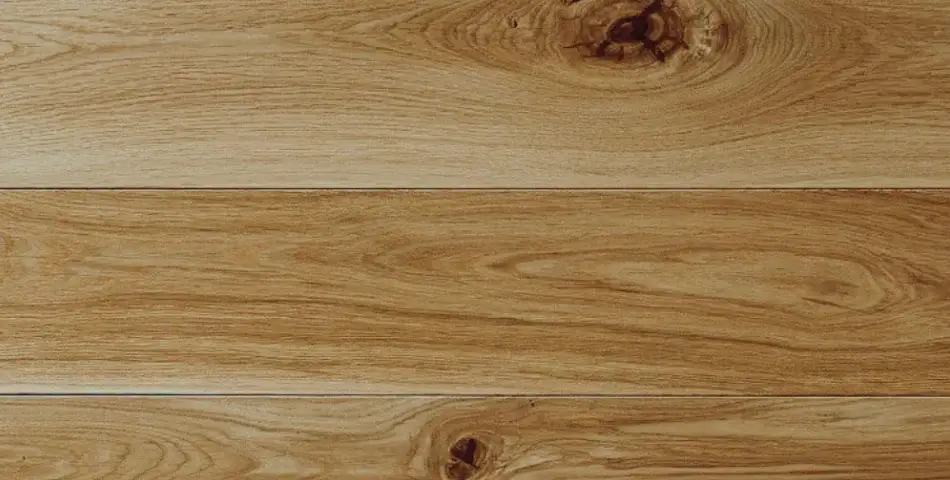
Tile, vinyl, or engineered wood are excellent choices for these spaces. Avoid traditional hardwood in high-moisture areas, as it's prone to warping over time.
3. Budget
Setting a budget before deciding which type of new flooring to buy is crucial, as flooring prices can vary significantly depending on the material, quality, and installation requirements. Deciding which type of new flooring to buy also means looking beyond just the initial price - don't forget to factor in additional costs like professional installation, underlay for added comfort and insulation, and ongoing maintenance expenses. Some flooring options require periodic refinishing or sealing, while others may need unique cleaning products to maintain their appearance.
Considering all of these factors will help you make an informed choice that aligns with your budget and long-term flooring needs.
4. Style and Aesthetic
Your flooring choice should naturally complement your home's overall style, creating a cohesive and visually appealing space. For a sleek and contemporary look, options like polished concrete or large-format tiles can work exceptionally well, offering a modern and sophisticated feel.If you prefer a more traditional, rustic, or classic aesthetic, different types of flooring, such as hardwood or luxury vinyl planks that mimic wood, can add warmth and character. Consider the texture and finish of the material, as these elements can enhance the overall ambience of a room. How to decide what new flooring to buy? One key factor is visualising how the flooring will look with your existing décor and colour scheme, ensuring it complements furniture, wall colours, and lighting to create a harmonious and stylish interior.
5. Durability
Durability is a key consideration when deciding which type of new flooring to buy, especially for families with kids or pets, as high foot traffic, spills, and everyday wear and tear can quickly take a toll on lower-quality materials. Choosing a flooring option that is resistant to scratches, stains, and moisture is essential for maintaining a fresh and polished look over time.Hard surfaces like hardwood, laminate, and luxury vinyl are often preferred for their resilience, while certain types of carpeting with stain-resistant technology can also be a practical choice. Investing in a durable flooring solution ensures longevity, reduces maintenance efforts, and provides a comfortable, worry-free living environment for busy households.
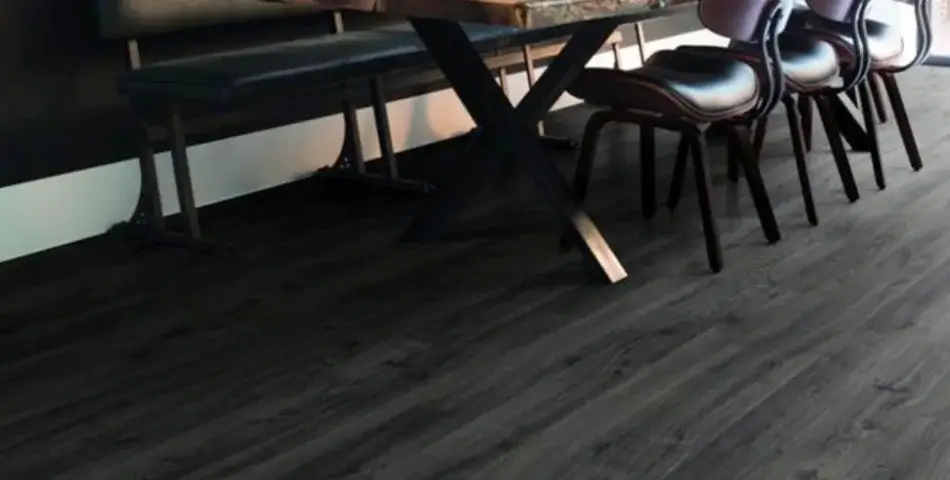
Laminate and luxury vinyl are scratch-resistant and tough, making them suitable for active households. On the other hand, while hardwood is durable, it may require refinishing over time to maintain its appearance.
6. Comfort and Feel
Some flooring options are more comfortable underfoot than others Carpet provides a soft, warm, and inviting surface, making it an excellent choice for spaces where comfort is a priority, such as bedrooms, nurseries, or playrooms. Its plush texture helps to insulate the room, reducing noise and maintaining warmth, which is especially beneficial in colder climates. For those seeking a balance between softness and durability, different types of flooring, like cork and vinyl, offer a slight cushioning effect while still being easy to clean and maintain.Cork, in particular, is a natural and eco-friendly option that provides both resilience and a slight give underfoot, making it comfortable to walk on for extended periods.
7. Maintenance Requirements
Consider how much time and effort you're willing to invest in maintenance. Hardwood requires regular cleaning and occasional refinishing, while tile grout may need scrubbing to prevent stains. Low-maintenance options like vinyl and laminate are perfect for busy households or those who prefer minimal upkeep.
8. Longevity
How long do you want your new flooring to last? If you plan to stay in your home for decades, investing in durable, long-lasting materials like hardwood, tile, or high-quality vinyl makes sense. For shorter-term needs, budget-friendly options like laminate can still provide great results without breaking the bank.
9. Eco-Friendliness
If sustainability is a priority, look for environmentally friendly flooring options. Bamboo and cork are renewable resources, while reclaimed wood gives a second life to existing materials. When deciding which type of new flooring to buy, remember that many manufacturers also offer eco-friendly vinyl and carpet options with reduced environmental impact.
10. Professional vs. DIY Installation
Finally, consider hiring a professional rather than taking the DIY route.Some flooring types, like carpet or tile, can be challenging for beginners to install, while others, such as laminate or peel-and-stick vinyl, are a little more DIY-friendly.Be realistic about your skills and the tools required for the job and get an idea of what flooring installation costs.
Final Thoughts About Deciding Which New Flooring to Buy
Choosing the best flooring for your home can be a crucial decision, as it impacts both aesthetics and functionality. With so many different types of flooring available, including hardwood, tile, laminate, vinyl, and carpet, it’s important to weigh the pros and cons of each. How to decide what flooring to buy? Consider factors such as durability, maintenance, budget, and the room’s purpose. If you're looking to boost your property's resale value, hardwood is often regarded as the top choice, as it is the flooring that adds the most value to a home, thanks to its timeless appeal and long-lasting quality.Deciding which type of new flooring to buy doesn't have to be daunting. By carefully considering factors like room usage, budget, style, and maintenance, you can narrow your options and find the perfect fit for your home. Whether you choose hardwood's timeless beauty, vinyl's practicality, or carpet's comfort, the right flooring enhances your space for longer.