


Image - https://nazmiyalantiquerugs.com/blog/pazyryk-carpet-oldest-rug-the-world/ Since the beginning of time, we have used different methods to separate ourselves from the uncomfortable floor surfaces that we sit and sleep on. Before carpets, people used animal hides and furs for this very purpose. As time passed, we began to use a wide range of natural and artificial materials to improve comfort and durability.
Here’s the thing
Along with the extra comfort and improved durability come fresh challenges with cleaning and maintenance. And if you show a little care and attention, you will get years more life from the investment in your carpet - and delay the sometimes high cost of replacement. Perhaps the first important thing to consider if you are buying a new carpet is the choice of underlay. Underlay is a critical component that shapes how flooring feels, wears, looks and performs. However, it is often overlooked and even dismissed as a pointless extra expense. Your underlay and accessories are critical to the finish of your floor as well as the longevity of your flooring. Choosing the proper underlay will ensure that you get good value from your carpet.
What's in a carpet?
For starters, do you know that we lose about 30,000 to 40,000 dead skin cells off the surface of our skin every minute of the day? Most of those that you shed indoors will become embedded in your carpet, along with general dirt and things like carcinogens in cigarettes. A troubling thought, isn't it?
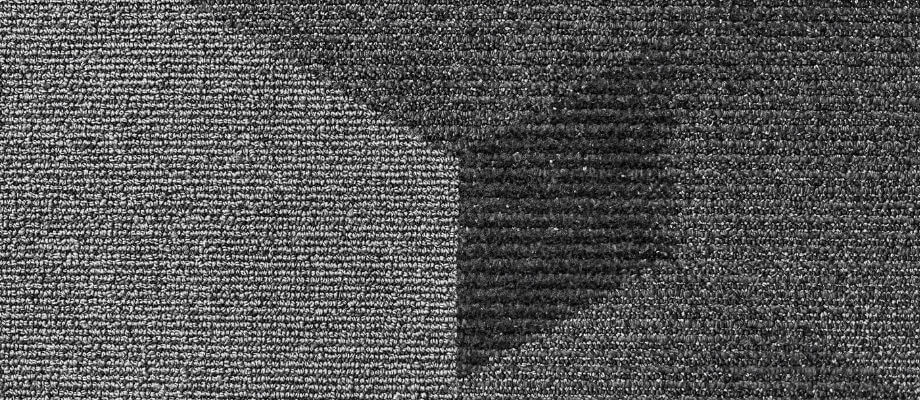
Bed bugs can live in carpet fibres and wooden floorboards. They are extremely fast for their size and can crawl more than 100 feet to obtain a blood meal, usually at night from sleeping people. Most people are unaware of when they have been bitten. Besides bugs and general dirt, stains and smells can also be a drawback of carpets. A wide range of factors can cause odours. Pet accidents, cigarette smoke, food and drink spills, and dampness are just a few examples. Carpet isn't a bad thing but can contain dangerous germs that can make you unwell. For example, the Norovirus, linked to stomach flu, can live on an unclean carpet for more than a month. Microbiologists have also identified air blown from a running vacuum cleaner as one of the five places in the home with the highest concentration of germs.
Have you experienced a problem with carpets?
As mentioned, if there's a common problem with carpets, it is the dirt and grime they gather over time. Professional carpet cleaning companies recommend cleaning all carpets every 12 - 18 months to improve air quality. Professional cleaning and regular vacuuming will address most of the unwanted dirt and dust that accumulates.
Cleaning Your Carpet
You can easily remove most stains on woollen carpets with water and an approved spot cleaning spray because wool carpets are more naturally stain resistant.
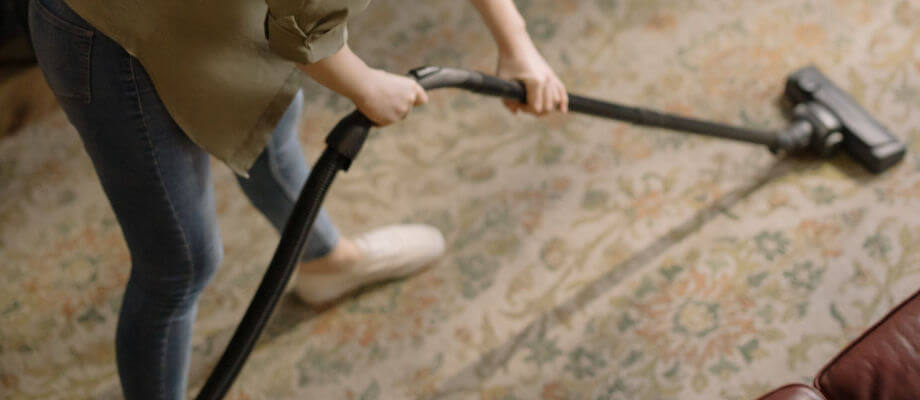
Professional hot-water extraction is the primary cleaning method recommended by most carpet manufacturers for synthetic carpets. The best strategy is to hire a professional every year or two and clean the carpet yourself between professional cleanings. Looped carpets are visually appealing, but they can be tough to clean and maintain. They are difficult to clean because dirt tends to collect at the bottom of the fibres. Because of the twists, lumps, and loops, the dirt is difficult to extract with a standard vacuum cleaner. It is best to vacuum regularly using a cleaner with strong suction. Steam cleaning will ensure that the grime and dirt get removed from the carpet's very bottom. The fact of the matter is, carpet is inexpensive compared to some other flooring options. It is softer, quieter and more versatile too. However, it hides dirt like no other flooring and requires a little TLC. When properly cleaned and maintained, Carpeting has the potential to improve air quality by trapping allergy-inducing dust and allergens. On the other hand, most people do not care for their carpets properly, aggravating allergies.