


Intro
Vinyl flooring is one of the most popular flooring options for UK homes thanks to its durability, low maintenance, and stylish finishes. But even though vinyl is built tough, it isn’t indestructible—heavy furniture, sharp objects, and constant foot traffic can cause dents, scuffs and indentations that shorten the life and look of your floors. Understanding how to prevent vinyl floor damage will help you keep your investment looking great for years.
Why Vinyl Flooring Can Dent
Vinyl is resilient rather than hard like tiles or engineered wood. This means pressure concentrated over small areas—such as narrow furniture feet or appliances—can compress and leave dents over time. Dragging heavy items across the surface also increases the risk of dents, gouges, and scuffs.
1. Use Furniture Pads & Floor Protectors
One of the easiest ways to stop vinyl flooring dents is to place felt pads, rubber protectors, or furniture glides under legs of sofas, chairs, tables and cabinets. These accessories spread weight more evenly, reducing pressure points that can lead to indentations. They’re inexpensive and simple to add to any room before you place furniture down.
2. Lift – Don’t Drag
When rearranging furniture, lift items rather than drag them. Dragging creates friction that can easily scratch or dent vinyl surfaces, even on commercial-grade vinyl flooring. If lifting heavy items isn’t feasible, furniture sliders designed for LVT and vinyl plank floors make moving big pieces safer and easier.
3. Distribute Weight for Heavy Pieces
Heavy appliances or furnishings cause dents when their weight is focused on a small area. Spread that weight by using wider furniture feet, coasters, or protective mats under refrigerators, washing machines, or chests of drawers. This prevents unwanted indent marks and protects your vinyl flooring investment.
4. Place Rugs in High-Traffic Zones
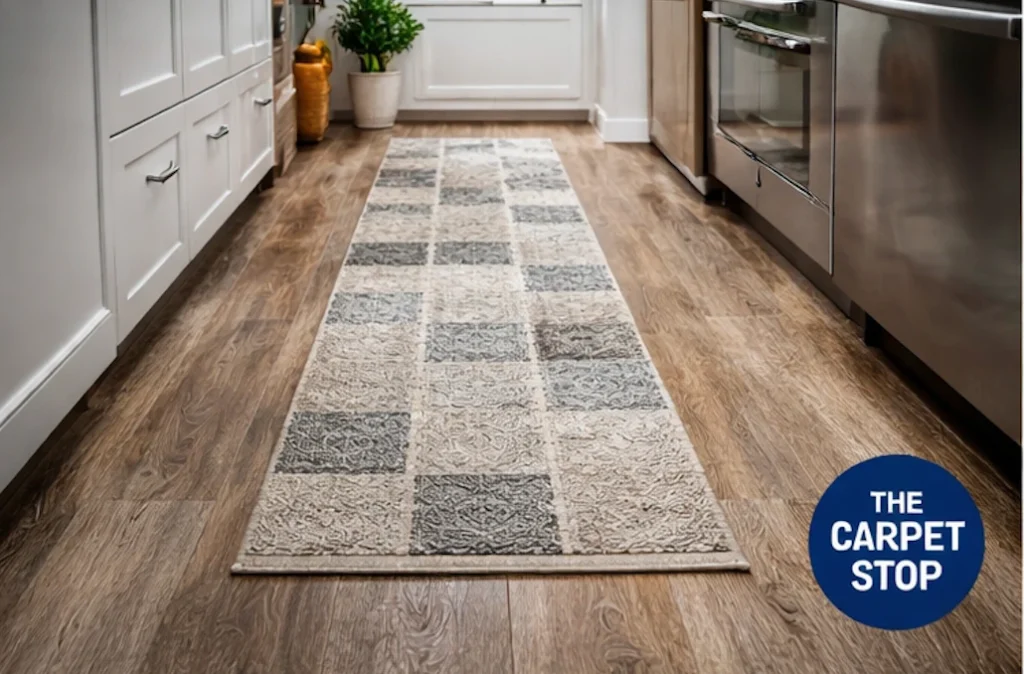
Hallways, kitchens and living rooms see the most footfall—and that means more chance of wear and denting. Adding decorative rugs and runners here can protect the floor while enhancing interior style. For the best performance, choose rugs with non-staining, breathable backing to avoid damage from trapped moisture or reactions with vinyl.
5. Be Mindful of Sharp or Narrow Objects
Items such as high heels, pet claws, narrow chair legs and dropped tools can easily create indentations. Encourage guests to remove spiky heels, use soft-soled furniture feet, and keep pet nails trimmed for a higher level of floor protection.
6. Adopt a Regular Cleaning Routine
Dust, grit and debris act like sandpaper on vinyl surfaces and accelerate scratches and micro-dents. Sweep or vacuum regularly (using a hard-floor attachment without a beater bar) to keep dirt off the surface. Occasional damp mopping with mild or vinyl-safe cleaner will also preserve your flooring’s finish and longevity.

What to Avoid (to Protect Your Vinyl Floor)
● Rubber-backed mats or pads: These can react chemically and leave permanent marks.
● Dragging furniture: Causes scratches and dents.
● Harsh chemicals: Avoid bleach or acidic cleaners—these can erode the wear layer.
Can You Fix Dents in Vinyl Flooring?
Minor dents may sometimes be eased out by gently heating the indented area (with a hairdryer or heat gun) and pressing around the dent with a flat tool. However, results aren’t guaranteed and deep dents may require replacing the affected plank.
Boost Your Vinyl Floor’s Lifespan – Shop Tips
Enhancing your vinyl flooring care doesn’t stop at prevention—choosing the right flooring product from the start makes a big difference in long-term performance:

Explore quality vinyl flooring collections at The Carpet Stop
Whether you want the rustic look of wood, the chic appeal of stone-effect vinyl, or practical waterproof options for kitchens and bathrooms, we’ve got you covered.