


Understanding Carpet Underlay
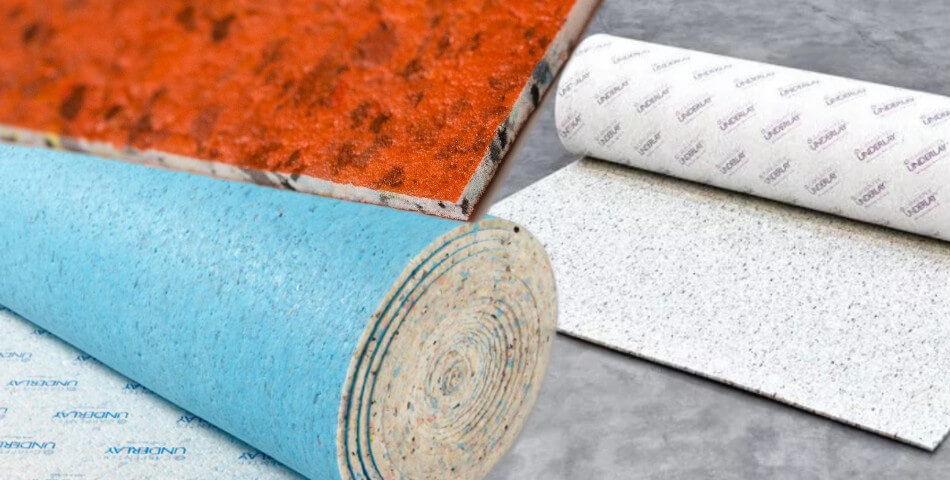
Carpet underlay serves multiple purposes. It adds an extra layer of comfort underfoot, provides insulation, reduces noise, and extends the carpet's life by absorbing foot traffic impacts. Underlay can be made from various materials, including foam, rubber, felt, and recycled fibres, each offering different levels of support and durability.
Assessing the Condition of Your Underlay
Its current condition is the primary factor in determining whether to reuse your carpet underlay. Underlay degrades over time, losing its cushioning and supportive properties. Here are some key indicators to evaluate:
Age
Most carpet underlays span ten to twenty years, depending on the material and the level of foot traffic. If your underlay is close to or exceeds this age range, it's likely best to replace it.
Wear and Tear
Inspect the underlay for signs of wear and tear. Look for areas that are thin, compressed, or have visible damage. High-traffic areas are particularly prone to deterioration.
Stains and Odours

Over time, underlay can absorb spills and odours. If it has stains, mould, or an unpleasant smell, it's advisable to replace it to avoid transferring these issues to your new carpet.
Moisture Damage
Check for any signs of water damage. Moisture can lead to mould and mildew growth, posing health risks. If the underlay is damp or has mould spots, it's unsuitable for reuse.
Assessing the Condition of Your Underlay
If your underlay is in good condition, reusing it can offer several benefits:
Cost Savings
Reusing underlay can significantly reduce the overall cost of your carpet replacement project. Quality underlay can be expensive, so reusing it can help you save money.
Environmental Benefits
Reusing underlay reduces waste and the demand for new materials, contributing to a more sustainable approach to home improvement.
Time Savings
Reusing underlay can save time during installation, as the preparation process will be quicker without the need to remove and dispose of the old padding.
Disadvantages and Risks of Reusing Carpet Underlay
While there are advantages, there are also potential drawbacks and risks associated with reusing carpet underlay:
Reduced Performance
An older underlay may provide a different level of comfort, insulation, and noise reduction than a new one. This difference can impact the overall feel and performance of your new carpet.
Hidden Issues
Even if the underlay appears in good condition, there may be underlying issues that are not immediately visible. For example, it could have compressed areas that won't provide adequate support.
Warranty Concerns
Some carpet manufacturers and installers may void warranties if new carpet is installed over old underlay. Always check the warranty terms and conditions to ensure compliance.
When to Replace Your Carpet Underlay
In certain situations, replacing the carpet underlay is the best course of action:
Significant Wear and Tear
If the underlay shows signs of wear, such as thinning or compressed areas, it won't adequately support your new carpet.
Health Concerns
If the underlay has mould, mildew, or odours, replacing it is essential for maintaining a healthy indoor environment.
Upgrading Quality
If you're investing in something high-quality like Primo Ultra carpet, pairing it with a new, high-quality underlay will maximise the benefits and longevity of both.
Conclusion about reusing carpet underlay
Reusing carpet underlay can be a viable option if the underlay is in good condition, offering cost savings and environmental benefits. However, it's crucial to thoroughly assess the underlay for any signs of wear, damage, or moisture before deciding. Replacing the underlay may be the better choice to ensure optimal performance, comfort, and health standards.Before proceeding, please consult with a professional installer to evaluate the condition of your underlay and get their recommendation. By making an informed decision, you can ensure the best outcome for your new carpet installation, whether reusing the existing underlay or investing in a new underlay.