


Understanding the Carpet Fitting Process
Carpet installation is more than just laying down a roll of carpet. It involves several key stages that you must execute correctly if you want it to last as long as it should:

Preparation: The first step is to prepare the subfloor. This preparation includes removing the old flooring, cleaning the surface, and ensuring it is level and free of imperfections. Any debris or uneven spots can cause problems with the new carpet. Repairing subfloor damage, such as cracks or holes, is also vital. Measuring and Cutting: Accurate measurements are crucial. You would be surprised to see how many people take inaccurate measurements when ordering a carpet. Measure the room carefully, accounting for alcoves, doorways, and closets. Then, cut the carpet to fit the room's exact dimensions, using additional material for trimming and fitting around the edges. Precision in this step ensures that you do not waste material and that the carpet fits snugly. Laying the Underlay: Underlay adds comfort and extends the carpet's life. It also helps with insulation and soundproofing. The underlay must be cut and laid flat, with seams taped to prevent movement. Choosing an underlay that matches the type of carpet you are installing, and the level of foot traffic the room will experience is essential. This requires an understanding of underlay. Fitting the Carpet: Fitting the carpet involves placing it over the underlay and securing it. The carpet is stretched and attached to the tack strips along the room's edges. Proper stretching is crucial to avoid wrinkles and bubbles. This step often requires a knee kicker and a power stretcher to ensure the carpet is taut and smooth. Trimming and Finishing: The final step includes trimming excess carpet along the walls and securing the edges with a carpet kicker and a stair tool. Transition strips are installed at doorways to ensure a smooth transition between different flooring types. This step ensures the carpet edges are neat and do not fray over time.
Tools Needed for Carpet Installation
Carpet installation requires some specialised tools that may not be part of a typical DIY toolkit:
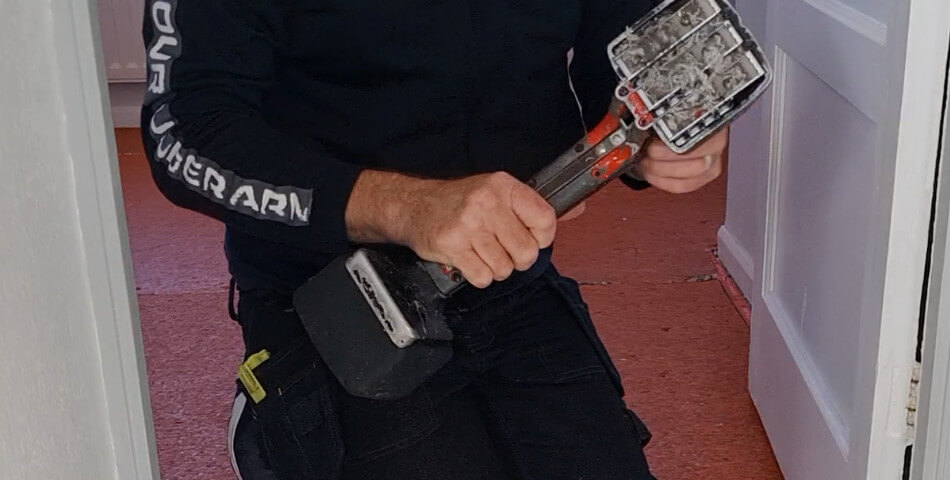
Knee Kicker: Used to stretch the carpet into place. Carpet Stretcher: Ensures the carpet is stretched correctly to avoid wrinkles. Carpet Gripper Rods: Secured around the room's perimeter to hold the carpet in place. Utility Knife: This is for cutting the carpet and underlay. Seaming Tape and Iron: Used for joining carpet seams. Staple Gun: For securing the underlay. Carpet Tucker: Used to press the carpet into corners and edges.
Evaluating the Difficulty
Skill Level Required: Carpet installation isn't typically considered a beginner-friendly DIY project. It requires a certain level of skill and experience with home improvement tasks.
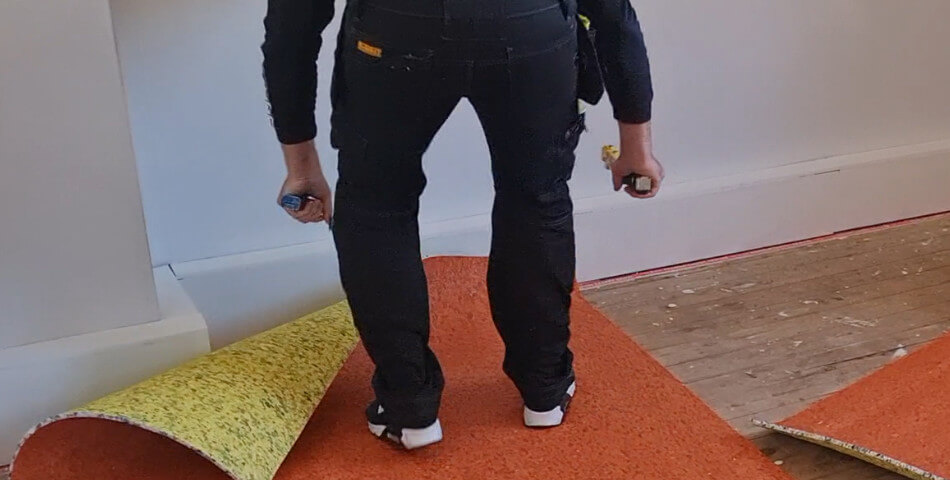
Precision in measuring and cutting and experience using specialised tools effectively are essential. Mistakes can be costly and difficult to rectify. Physical Demand: The process is physically demanding. Lifting and moving heavy rolls of carpet, kneeling for extended periods, and using force to stretch and secure the carpet can be strenuous. Proper safety gear, such as knee pads, can help mitigate some of the physical strain. Potential for Mistakes: Mistakes in carpet installation can be costly. It is challenging to fit an incorrectly measured or cut carpet, and improper stretching can lead to unsightly wrinkles and a reduced lifespan for the carpet. Additionally, incorrect installation can void the carpet's warranty.
Benefits of DIY Carpet Installation
Despite the challenges, there are benefits to fitting your own carpet:

Cost Savings
The most significant advantage is saving on professional installation costs. Labour fees can be substantial, and doing it yourself can lead to considerable savings. However, weighing these savings against the potential cost of mistakes and the time investment required is essential.
Satisfaction
Completing a carpet installation project yourself can be highly rewarding. It gives a sense of accomplishment and pride in your home improvement skills. Successfully installing your own carpet can boost your confidence for future DIY projects.
Control
You have complete control over the project, from choosing the materials to the final fitting, ensuring the result meets your expectations. This autonomy can be particularly beneficial if you have specific requirements or preferences that a professional installer might need help understanding.
When to Consider Professional Installation
While DIY carpet installation can be feasible for those with the right skills and tools, there are scenarios where professional installation might be the better choice:

Large or Complex Areas
Large rooms or spaces with complicated layouts, such as multiple doorways, staircases, or odd shapes, can be challenging to handle without professional expertise. Professionals have the experience to deal with these complexities efficiently.
High-Quality or Expensive Carpet
If you've invested in expensive or high-quality carpet, ensuring it's installed correctly to maximise its lifespan and appearance might justify the cost of professional installation. Professionals can also provide warranties for their work, offering additional peace of mind.
Time Constraints
Carpet installation is time-consuming. If you have limited time to complete the project, hiring professionals can ensure it's done quickly and efficiently. Professionals can often complete the job in a fraction of the time it would take an amateur.
Tips for a Successful DIY Carpet Installation
If you decide to tackle carpet installation yourself, here are some tips to increase your chances of success:

Research and Plan
Take the time to research the installation process thoroughly. Watch instructional videos, read guides, and understand each step before starting.
Invest in Quality Tools
The right tools can make a significant difference. While it might be tempting to use makeshift tools, investing in or renting the proper equipment will lead to better results.
Practice
Practice on a smaller area before tackling the main room. This test run can help you get a feel for the tools and the process.
Take Your Time
Rushing through the installation can lead to mistakes. Take your time to measure accurately, cut carefully, and ensure each step is done correctly.
Seek Help
If possible, enlist the help of a friend or family member. An extra pair of hands can make the process easier and more efficient.
Is it worth fitting your own carpet?
Fitting your own carpet is a task that comes with its share of challenges and rewards. While it is possible for a determined DIY enthusiast with the right tools and skills, the process requires careful planning, precision, and physical effort. The potential for cost savings and personal satisfaction can make it worthwhile. Professional installation is the safer and more practical option for those facing large, complex areas or using high-quality carpets. Whether or not fitting your own carpet is manageable depends on your experience, resources, and willingness to tackle a demanding home improvement project. By weighing the pros and cons and assessing your capabilities, you can make an informed decision that best suits your needs and ensures a beautiful, long-lasting carpet installation.